


Recent Blog Posts
Can Police Search Your Trunk During a Drug Stop?
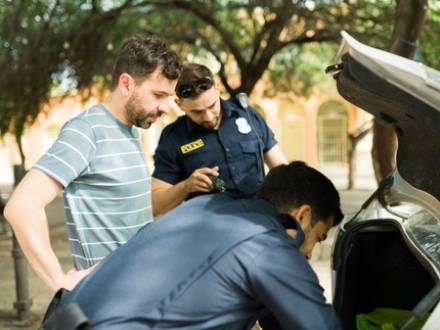 Police can search your car’s trunk during a drug stop, but only under specific circumstances that give them the authority. The three situations that come up most are probable cause, your consent, and an inventory search after the car is towed. An officer’s hunch, nervousness, or the fact that you were stopped in a certain area is not enough on its own.
If you’re in trouble for something found in a trunk search in 2026, an Aurora, IL drug charges defense lawyer can look at whether the officer actually had a legal basis for it.
When Can Police Search a Car Without a Warrant in Illinois?
When it comes to warrants, courts treat vehicles differently from homes.
Probable Cause
If officers have probable cause to believe a car contains evidence of a crime, they can search it without a warrant. That authority extends to the trunk and to closed containers inside it. Probable cause means specific facts an officer can point to and explain.
What Happens when Probation is Violated in Illinois?
 If you violate probation in Illinois, you may very likely need to attend a court hearing and face serious consequences. But some violations can be handled without a formal violation proceeding. If you are accused of violating probation, the court holds a hearing to decide whether the violation occurred. If it did, the judge decides what should happen next. This can range from continuing probation to revocation and jail or prison time.
A violation does not automatically mean you are going to prison. What happens in your case depends heavily on what you did and whether you work cooperatively with the court and a good attorney. If you are accused of a probation violation in 2026, our Kane County criminal defense lawyer can help you understand what to expect.
How Is a Probation Violation Handled in Illinois?
Under 730 ILCS 5/5-6-4, the court must hold a hearing before probation can be revoked. This happens once a petition is filed alleging a violation. At a probation violation hearing, you have several rights:
What to Expect at a License Reinstatement Hearing
 At a license reinstatement hearing, you'll present evidence showing you're ready to drive safely again. A hearing officer looks at your history, any treatment you've completed, and your overall risk before making a decision. If you're getting ready for this hearing in 2026, our Elgin, IL license reinstatement lawyer can help you understand what to expect and prepare your strongest case.
Why Does Illinois Require a Hearing Before Reinstating Your License?
Under 625 ILCS 5/6-208, a person whose driver's license has been revoked generally cannot have it restored until the person becomes eligible and applies for driving privileges. The Illinois Secretary of State uses administrative hearings to decide whether certain drivers qualify for reinstatement or other driving relief.
What Defenses Are Available Against Theft Charges in Illinois?
 Several defenses are available against theft charges in Illinois. This includes challenging whether you had permission to take the property. You can also show you had no intent to permanently deprive the owner of it. Questioning the reliability of the evidence used against you is another option.
If you're dealing with this situation in 2026, our Kane County criminal defense lawyer can help you build a strong defense.
What Does the State Have to Prove for a Theft Conviction in Illinois?
Under 720 ILCS 5/16-1, theft can be committed in several ways, including knowingly obtaining or exerting unauthorized control over someone else's property. The state also has to show one of the following:
- That you meant to permanently take the property
Navigating Your First DUI
 Getting your first DUI charge is scary. But you have the chance to fight the charge. Knowing what steps to take next can make a big difference in how your case turns out.
Attorney Brian J. Mirandola brings over 25 years of criminal law experience to these cases. He can use it to help you build a strong defense. If you're facing your first DUI in 2026, our Aurora, IL DUI defense lawyer can guide you through every step of the process.
What Happens Right After a First DUI Arrest?
After police arrest you for DUI, you may go through processing that includes fingerprints, photographs, and paperwork related to the charge. Depending on the circumstances, you may be released with a notice to appear in court or brought before a judge for an initial court appearance.
Under 625 ILCS 5/11-501, Illinois law makes it illegal to drive with a blood alcohol concentration of 0.08 percent or higher. It is also illegal to drive while under the influence of alcohol or drugs, even if your blood alcohol concentration is below 0.08 percent.
What Is an Illegal Search and Seizure?
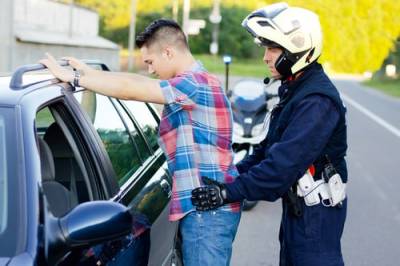 An illegal search and seizure happens when police search your person, vehicle, or property, or take your belongings, without a valid warrant or a legal exception that allows them to do so. This protection comes from the Fourth Amendment. When police violate it, any evidence they find may not be usable against you in court.
If you believe police conducted an illegal search in 2026, contact our Kane County, IL criminal defense lawyer. Attorney Brian J. Mirandola brings over 25 years of criminal law experience to these cases. He can help you understand your rights
What Does the Fourth Amendment Protect You From?
The Fourth Amendment to the U.S. Constitution protects people from unreasonable searches and seizures by the government. This means police generally need either a valid warrant that’s based on probable cause or a recognized legal exception. They need one of these before they can search your home, vehicle, person, or belongings.
How Are Prosecutors Going to Prove Intent to Deliver Drugs?
 Prosecutors typically prove intent to deliver drugs by using circumstantial evidence. For example, what was the quantity of drugs found? How were they packaged? Were any items like scales or large amounts of cash present? Intent to deliver charges are far more serious than simple possession, and the state doesn't need a confession or a witnessed sale to bring these charges.
If you're facing an intent to deliver accusation in 2026, our Kane County drug trafficking defense lawyer can help. Attorney Brian J. Mirandola is a former Assistant State's Attorney with over 25 years of criminal law experience. He has firsthand insight into how prosecutors build these cases and where they're often vulnerable to challenge.
What Is the Difference Between Drug Possession and Intent to Deliver?
Simple possession means you're charged with knowingly having an illegal substance for personal use. Intent to deliver means the state believes you planned to sell or distribute the drugs to others.
Driving Without Headlights Can Result in Reckless Driving Charges in Illinois
 Driving without headlights in Illinois can result in reckless driving charges. Getting a citation for something that seems like a simple equipment issue can be surprising. This is especially true once you realize it's being treated as a criminal offense rather than a routine traffic ticket. If you’ve been charged with reckless driving, our Kane County criminal defense lawyer can help you understand exactly why this charge was filed. Together, we can challenge the allegations.
How Does Illinois Law Define Reckless Driving?
Illinois defines reckless driving under 625 ILCS 5/11-503. This law makes it illegal to drive with a willful or wanton disregard for the safety of people or property. Reckless driving is different from many traffic violations. It's a misdemeanor. That means a conviction becomes part of your criminal record rather than simply affecting your driving history. This standard focuses on your state of mind and the overall danger created by your actions. Because of this, prosecutors often look at the full context surrounding an incident.
What Is Scott’s Law in Illinois?
 Scott's Law is Illinois's "Move Over" law. It requires drivers to slow down and move to a non-adjacent lane, if possible, when approaching stopped emergency vehicles, tow trucks, or maintenance vehicles displaying flashing lights on the road. Getting a Scott's Law citation in 2026, or facing more serious charges after an incident involving an emergency vehicle, can be serious. Our Elgin, IL traffic violations defense lawyer can help you understand exactly what you're facing and how to respond.
What Does Scott's Law Actually Require of Drivers in Illinois?
Scott's Law is codified under 625 ILCS 5/11-907. It requires drivers approaching a stationary emergency vehicle, tow truck, or road maintenance vehicle with activated warning lights to proceed with caution. Drivers must also reduce their speed and move into a lane not adjacent to the vehicle, if it's safe and possible to do so.
When Is a DUI a Felony in Illinois?
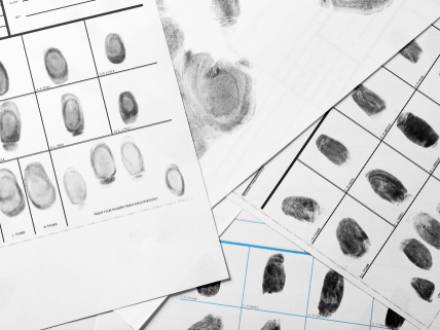 Most first-time DUI charges in Illinois are misdemeanors, but certain circumstances can turn a DUI into a felony. When that happens, the penalties increase dramatically, and the long-term consequences become more severe.
A felony DUI conviction can mean years in prison, a permanent criminal record, and lasting effects on your career, your family, and your future. If you’re facing a DUI charge in 2026 – felony or otherwise – our Elgin, IL criminal defense lawyer will help you fight it.
What Is the Difference Between a Misdemeanor and Felony DUI in Illinois?
A standard first or second DUI offense in Illinois is typically charged as a Class A misdemeanor, which carries up to one year in jail and a fine of up to $2,500. But when certain factors are present, the charge can be elevated to a felony, which carries much longer prison sentences and far more serious long-term consequences.


Get The Representation You Deserve
Call 847-488-0889 or Fill Out The Form Below To Set Up a Free Consultation Today:


Results listed are not a guarantee or indication of future case results.

