


There Is a Warrant for My Arrest. What Should I Do?
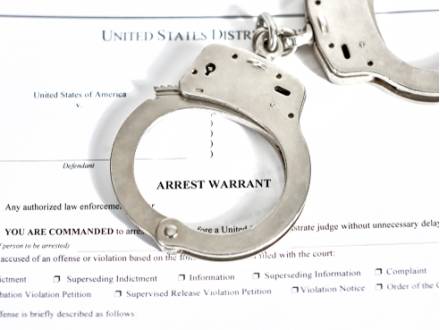 If you find out there is a warrant for your arrest in Illinois, be prepared to take it seriously, but don’t panic. Warrants are a routine part of criminal enforcement. In 2025, the U.S. Marshals Service reported that law enforcement cleared nearly 89,000 state and local warrants through arrests across the country. As cases move forward in 2026, that level of enforcement means ignoring a warrant often leads to arrest at an unexpected time or place.
If you are concerned about a warrant for your arrest and need criminal defense advice, The Law Office of Brian J. Mirandola can help. Our Elgin, IL criminal defense lawyer can explain what the warrant means and how to handle it safely.
What Does It Mean If There Is a Warrant for My Arrest in Illinois?
An arrest warrant is a court order that allows police to take you into custody. Under 725 ILCS 5/107-9, an arrest warrant may be issued only after a judge finds probable cause. This means the court must believe there is sufficient evidence to justify an arrest.
This is different from a bench warrant. A bench warrant is usually issued when someone misses a court date or fails to follow a court order. Both types of warrants remain active until the court resolves them.
How Can I Find Out If I Have a Warrant in Illinois?
People often learn about warrants in everyday situations, sometimes without warning. Some ways you can find out include:
-
Being stopped by police for a traffic issue and having your name checked
-
Searching online court records for the county where the case may have started
-
Receiving a notice or paperwork from the court
-
Learning about it after missing a court date
-
Having an attorney check for warrants on your behalf
Learning about a warrant early gives you more control over how it is handled and reduces the risk of being arrested unexpectedly.
Should I Turn Myself in for an Arrest Warrant in Illinois?
In many cases, turning yourself in is the safest approach, especially for nonviolent charges. Doing so can help you avoid a public arrest at work or home and may reflect positively when the court considers bond.
Before turning yourself in, it is important to speak with a local criminal defense lawyer. A lawyer can help coordinate the timing, explain what to expect, and sometimes work with the court on bond conditions.
Can an Arrest Warrant Be Dismissed or Challenged?
Arrest warrants can sometimes be challenged. A lawyer may review whether there was enough evidence to support probable cause or whether the warrant was issued in error. In some cases, a court may cancel a warrant once the underlying issue is addressed. These challenges usually happen in court, but preparation and negotiation often occur beforehand.
What Happens After You Are Arrested on a Warrant?
If police arrest you on a warrant, you will typically go through the booking process. This usually includes providing personal information, being photographed, and having fingerprints taken.
You will then have an initial court appearance, where a judge reviews the charges and sets bond or release conditions. This stage is critical, and having legal representation can affect how the case moves forward.
How Does an Arrest Warrant Affect Bail or Bond?
An outstanding warrant can affect pretrial release decisions in Illinois. Judges consider factors such as the nature of the charge and whether the person is likely to appear in court when deciding what release conditions, if any, should apply.
Judges may see an unresolved warrant as a concern about future court appearances. This can lead to higher bond amounts or stricter conditions. A lawyer familiar with local courts can explain how judges typically approach bond decisions and help present information that supports reasonable release terms.
What Should I Avoid Doing if I Have a Warrant?
Certain actions can make the situation worse. Ignoring the warrant often leads to arrest at the least convenient time. Speaking with police without legal guidance can also create problems, even if you believe you are helping yourself.
Violating any conditions tied to the warrant or attempting to handle the situation without understanding your rights can result in additional charges. Getting advice early helps reduce these risks and keeps the focus on resolving the warrant properly.
Schedule a Free Consultation With Our Aurora, IL Criminal Defense Attorney
If you discover there is a warrant for your arrest, having a plan matters, and The Law Office of Brian J. Mirandola can help. Attorney Mirandola is a former Assistant State’s Attorney and has been practicing law for over two decades. He understands how prosecutors and judges approach warrant cases and works to protect clients at every stage.
Call 847-488-0889 to schedule a free consultation with a knowledgeable Elgin, IL criminal defense lawyer and learn what steps you should take next.


Get The Representation You Deserve
Call 847-488-0889 or Fill Out The Form Below To Set Up a Free Consultation Today:


Results listed are not a guarantee or indication of future case results.

