


How Are Prosecutors Going to Prove Intent to Deliver Drugs?
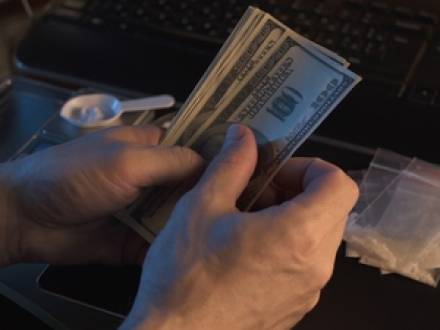 Prosecutors typically prove intent to deliver drugs by using circumstantial evidence. For example, what was the quantity of drugs found? How were they packaged? Were any items like scales or large amounts of cash present? Intent to deliver charges are far more serious than simple possession, and the state doesn't need a confession or a witnessed sale to bring these charges.
If you're facing an intent to deliver accusation in 2026, our Kane County drug trafficking defense lawyer can help. Attorney Brian J. Mirandola is a former Assistant State's Attorney with over 25 years of criminal law experience. He has firsthand insight into how prosecutors build these cases and where they're often vulnerable to challenge.
What Is the Difference Between Drug Possession and Intent to Deliver?
Simple possession means you're charged with knowingly having an illegal substance for personal use. Intent to deliver means the state believes you planned to sell or distribute the drugs to others.
Under 720 ILCS 570/401, possession with intent to deliver is charged based on the type and amount of the controlled substance involved. The penalties increase significantly as the quantity goes up, which is why the state often focuses heavily on how much was found during an arrest.
What Evidence Do Prosecutors Use to Show Intent to Deliver Drugs?
Since prosecutors rarely have direct proof, like a recorded sale or a confession, they build their case using a combination of physical evidence and circumstances surrounding the arrest.
Beyond the quantity and packaging of the drugs themselves, common evidence includes:
- Digital scales, which suggest the drugs were being weighed and measured for sale
- Large amounts of cash, particularly if it's in small denominations
- Text messages, notes, or ledgers that appear to reference drug transactions
- Multiple cell phones, which can suggest an effort to separate personal and business communications
Prosecutors typically try to combine several of these factors to build a stronger case.
Can Packaging Alone Prove Intent to Deliver?
Packaging is one of the most commonly used pieces of evidence, but it isn't automatically enough on its own. If drugs are found in a single container rather than divided into multiple smaller bags, this can actually support an argument that the drugs were meant for personal use rather than distribution. Context is everything in these cases.
How Can a Defense Attorney Challenge Intent to Deliver Claims From the Prosecution?
A defense attorney can challenge the prosecution's case in several ways. Some common examples of defenses used in these cases include:
- Questioning whether the search that led to the discovery of the drugs was legal
- Arguing that the quantity found is consistent with personal use rather than distribution
- Showing that items like scales or cash have an innocent explanation unrelated to drug sales
- Challenging the chain of custody of the evidence, meaning how the drugs were handled and stored after the arrest
If there are gaps or errors in how evidence was processed, this can weaken the state's case significantly.
What Happens if the Evidence Doesn't Clearly Show Intent?
If the evidence only supports possession rather than intent to deliver, an attorney may be able to negotiate a reduction to a possession charge, which typically carries much lighter penalties. Every case depends on its specific facts, and a careful review of the evidence often reveals weaknesses the prosecution would rather you not notice.
What Are the Penalties for Intent to Deliver in Illinois?
Penalties under 720 ILCS 570/40 vary widely based on the type and amount of drug involved. Smaller amounts of certain substances may be charged as a Class 4 felony. Larger quantities of drugs like cocaine or heroin can be charged as a Class X felony, carrying a potential prison sentence of six to 30 years. Because the penalties increase so sharply with quantity, even a small difference in the amount found can significantly change what you're facing.
Contact Our Aurora, IL Drug Crimes Defense Attorney for a Free Consultation
At The Law Office of Brian J. Mirandola, we understand how frightening it is to face a charge with this much at stake. We work to give every client a clear picture of their options from the very first conversation. Contact The Law Office of Brian J. Mirandola at 847-488-0889 to talk to our Kane County drug trafficking defense lawyer today.


Get The Representation You Deserve
Call 847-488-0889 or Fill Out The Form Below To Set Up a Free Consultation Today:


Results listed are not a guarantee or indication of future case results.

