


How Do I Prove That an Officer Was Wrong About My Speeding Ticket?
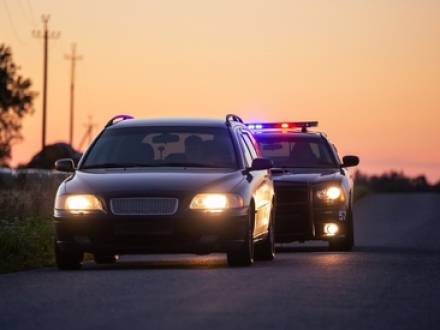 Proving that an officer made a mistake on a speeding ticket is possible. Faulty traffic violations happen more often than you might expect. Officers can be wrong about speed readings, and the equipment they use can fail or be used incorrectly.
There are several ways to challenge a speeding ticket, from questioning the accuracy of the radar or laser device used to catching errors in how the ticket itself was written. If you are facing a speeding charge, especially an aggravated one, in 2026, our Aurora, IL traffic violations defense lawyer can help you fight it.
How Do You Know if You Can Fight Your Illinois Speeding Ticket?
Not every speeding ticket is airtight. Officers make mistakes, equipment malfunctions, and sometimes the facts simply do not support the charge. A ticket can be challenged in several ways. The most common include:
-
Errors on the ticket itself, such as the wrong date, location, or vehicle description
-
Problems with the equipment used to measure your speed
-
Issues with how the officer operated the equipment
-
The officer's inability to clearly identify your vehicle as the one speeding
-
Lack of proper calibration records for the speed detection device
Any one of these issues can raise serious doubt about the accuracy of the reading and give you grounds to fight the ticket in court.
How Do Radar and Laser Devices Work, and How Can They Be Wrong About Speeding?
Most officers use one of two types of speed detection devices: radar or laser, which is also called LIDAR. Radar sends out radio waves that bounce off a moving vehicle and return to the device. The device measures how the frequency of the waves has changed to calculate speed. Laser devices send out pulses of light and measure how long it takes for those pulses to return. The device then calculates speed based on that measurement.
Both technologies can produce inaccurate readings under certain circumstances. Radar can pick up interference from other vehicles, especially in heavy traffic. Laser devices require the officer to keep the beam aimed steadily at a specific point on your vehicle. If the aim moves even slightly, the reading can be thrown off. Both types of equipment also require regular calibration to stay accurate.
What Are Calibration Records and Why Do They Matter for Speeding Tickets?
Calibration records are documents that show a speed detection device has been tested and confirmed to be accurate. In Illinois, law enforcement agencies are expected to maintain these records and have their devices tested on a regular basis. If a device has not been properly calibrated or the records showing it was calibrated cannot be produced, that is a significant problem for the officer's case.
When you fight a speeding ticket, your attorney can request calibration records through the discovery process. If the records are missing, incomplete, or show the device was not tested within the required time frame, the court may give that evidence little weight. Without solid proof that the device was working correctly, the officer's speed reading becomes far less reliable.
How Can You Challenge the Officer's Visual Estimate?
In some cases, officers write speeding tickets based partly on their own visual estimate of a vehicle's speed. Sometimes they do this in addition to a device reading, and sometimes on their own. Visual estimates can be challenged by questioning the officer's training in visual speed estimation, the conditions at the time, such as weather, lighting, and traffic, the distance between the officer and your vehicle, and how briefly the officer observed your vehicle before making a judgment.
Visual estimates are not precise measurements. An attorney can cross-examine the officer about their training and what they actually saw, and in many cases, reveal that the estimate was not reliable enough to support a conviction.
What Errors on a Speeding Ticket Itself Can Help You Fight the Violation in IL?
The ticket is a legal document, and it needs to be accurate. Look at every detail carefully. If the officer wrote down the wrong date, the wrong location, a description of a vehicle that does not match yours, the wrong statute number, or the wrong direction of travel, those errors can be used in your defense.
Some errors are minor and may not affect the outcome on their own. Others can be significant enough to get the ticket dismissed entirely. This is especially true if the error makes it impossible to confirm that the ticket actually refers to you or your vehicle.
Schedule a Free Consultation With Our Elgin, IL Traffic Violations Defense Attorney
Fighting a speeding ticket takes more than just showing up in court and saying the officer was wrong. It takes preparation, knowledge of the law, and the ability to effectively cross-examine a witness. Attorney Mirandola is a former Assistant State's Attorney who spent years on the other side of these cases. He knows exactly how prosecutors build their arguments and where those arguments have weaknesses. With 20 years of criminal law experience, he brings a sharp and focused defense to every client he represents.
Call 847-488-0889 to schedule a free consultation with our Aurora, IL speeding defense lawyer today.


Get The Representation You Deserve
Call 847-488-0889 or Fill Out The Form Below To Set Up a Free Consultation Today:


Results listed are not a guarantee or indication of future case results.

