


How Do the Police Prove You Were Speeding in a Construction Zone?
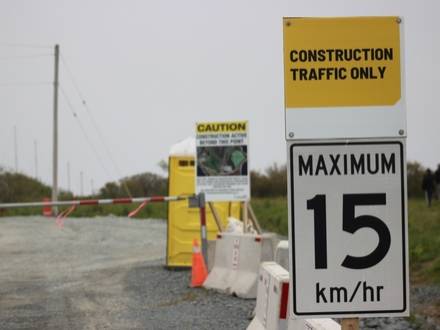 Police can prove you were speeding in a construction zone using several types of evidence. These include radar and laser speed devices, pacing by a following officer, and, in some cases, automated speed cameras. The method used affects how strong the evidence is and how it can be challenged. If you are facing a construction zone speeding charge in 2026, you should know these cases are not always as clear-cut as they look. An Aurora, IL criminal defense lawyer can help you understand what the state has and whether there is a real path to fighting the charge.
Why Is Speeding in a Construction Zone More Serious Than Regular Speeding in Illinois?
Under 625 ILCS 5/11-605, speed limits in construction zones are strictly enforced, and fines are significantly higher. When workers are present, the consequences become more serious. If the speeding causes injury or death to a construction worker, the penalties become much more severe and can include criminal charges.
This is why understanding how police prove these cases is so important.
How Do Radar and Laser Devices Prove Speeding in a Construction Zone?
Radar and laser devices, also called LIDAR devices, are the most common tools police use to measure vehicle speed. Radar sends out radio waves that bounce off a vehicle and return to the device. Speed is calculated based on the change in the wave frequency. Laser devices send a narrow beam of light at a vehicle and measure how long it takes to bounce back.
Both devices are only reliable when they are properly calibrated and used correctly. The officer has to be trained on the specific device they are using. The device has to be tested and calibrated on a regular schedule. If either of those things did not happen, the reading may not hold up in court.
What Is Pacing and How Do Police Use It To Prove Speeding?
Pacing happens when an officer follows a vehicle and matches its speed using their own calibrated speedometer to estimate how fast the other vehicle was going. The officer then records that speed as evidence.
Pacing is more subjective than a device reading and can be challenged. The officer has to follow the vehicle at a consistent distance for long enough to get a reliable reading. If the distance changed, if the pacing lasted only a short time, or if road conditions affected the accuracy of the speedometer, those issues can be raised in the defense.
Can Automated Speed Cameras Be Used in Illinois Construction Zones?
Illinois allows automated speed cameras in certain construction zones. Under 625 ILCS 5/11-605.4, cameras can photograph vehicles going over the speed limit in active construction zones, and the registered owner can be issued a citation based on that photo. These citations are usually treated as civil violations, which means they typically do not result in a criminal record or points on a driver's license.
But camera-based citations can still be challenged. The accuracy of the camera system, whether proper signs were posted, and whether the zone was actually active at the time of the citation are all things the defense can look at.
How Can You Challenge Construction Zone Speeding Evidence in Illinois?
There are several real ways to challenge a construction zone speeding charge. A defense attorney will look at whether:
-
The radar or laser device was properly calibrated and tested before and after use.
-
The officer was certified and trained on the specific device used.
-
Pacing was done for long enough and at a consistent distance to be reliable.
-
The construction zone was properly marked with the required signs under Illinois law.
-
Workers were actually present at the time, which affects the level of the fine and potentially the level of the charge.
-
The automated camera systems used were functioning correctly and was properly certified.
Any weakness in the evidence can be used to challenge the charge, negotiate a reduction, or, in some cases, get the case dismissed.
What Are the Consequences of a Construction Zone Speeding Conviction in Illinois?
The consequences depend on how fast you were going and whether workers were present. Fines are significantly higher than standard speeding fines. A conviction can also add points to your driving record and raise your insurance rates. If the speed was high enough to qualify as aggravated speeding under 625 ILCS 5/11-601.5, the charge becomes a criminal misdemeanor rather than a traffic violation.
A criminal conviction creates a permanent criminal record. That record can show up on background checks and affect jobs, professional licensing, and other areas of your life. This is why taking the charge seriously from the start matters.
What Should You Do After Getting a Construction Zone Speeding Ticket?
Do not just pay the fine without understanding what you are agreeing to. Paying a ticket is treated as admitting guilt, and for more serious construction zone charges, that can have consequences beyond the fine. Write down everything you remember about the stop. Note the location, the road conditions, whether workers were visible, and what the officer said to you. Then get legal help before your court date. Having an experienced defense attorney gives you the best chance of a good outcome.
Schedule a Free Consultation With Our Elgin, IL Construction Zone Ticket Lawyer
When facing a construction zone speeding charge, you deserve to have someone in your corner who understands both sides of these cases. Attorney Brian J. Mirandola is a former Assistant State's Attorney with 20 years of criminal law experience. That background means he knows how these cases are put together and where they can be taken apart. To find out how our Aurora, IL criminal defense attorney can help, call The Law Office of Brian J. Mirandola at 847-488-0889 to schedule a free consultation today.


Get The Representation You Deserve
Call 847-488-0889 or Fill Out The Form Below To Set Up a Free Consultation Today:


Results listed are not a guarantee or indication of future case results.

