


How Hard Is It To Fight a Drug Manufacturing Charge in Illinois?
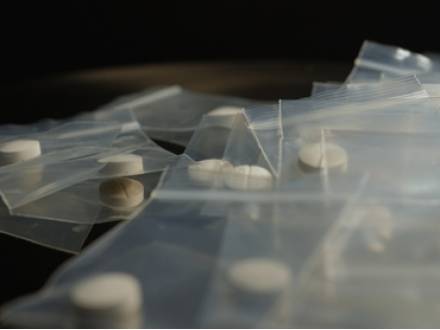 Fighting a drug manufacturing charge in Illinois is challenging, but it is not impossible. These are felony charges that prosecutors often pursue aggressively. However, you have legal options for pushing back on how these cases are built. If you are facing a drug manufacturing charge in 2026, a Kane County drug crimes defense lawyer can look at your situation and help you understand what defenses are available in your case.
What Is a Drug Manufacturing Charge in Illinois?
Drug manufacturing in Illinois covers more than just running a large drug operation. Under the Illinois Controlled Substances Act, 720 ILCS 570/401, it is illegal to manufacture, deliver, or possess with intent to deliver a controlled substance. Manufacturing includes producing, preparing, or processing a drug in any way.
This means even small operations can lead to serious charges. Unlawfully growing marijuana plants, making methamphetamine, or producing other controlled substances can trigger manufacturing charges. The type of drug and the amount found play a big role in how serious the charge is and what penalties come with it.
What Are the Penalties for Drug Manufacturing in Illinois?
The penalties for drug manufacturing depend on the type of drug and how much was involved. Manufacturing between one and 15 grams of heroin or cocaine is a Class 1 felony. That carries four to 15 years in prison. Larger amounts bring even harsher mandatory minimums. Some manufacturing charges involving large quantities can lead to up to 60 years in prison and fines of up to $500,000.
Beyond prison time, a conviction can also mean:
-
A permanent felony record that affects jobs, housing, and professional licenses
-
Loss of certain civil rights, including firearm rights and other legal restrictions associated with a felony conviction
-
Immigration consequences for non-citizens, including possible deportation
-
Asset forfeiture if the property is tied to the manufacturing operation
These consequences can change the rest of your life. That is why fighting the charge hard from day one matters so much.
What Kind of Evidence Does the State Use in Drug Manufacturing Cases?
In drug manufacturing cases, the state often uses physical evidence like equipment, chemicals, or materials found at a location. They look for drug amounts that suggest production rather than personal use. They may access surveillance footage or records from undercover investigations and testimony from informants or cooperating witnesses. Financial records showing unexplained income and text messages or phone records are often key evidence.
Every one of these types of evidence can be challenged. How it was gathered, stored, and handled all matters. If any part of that process was flawed, your attorney can use it to weaken the state's case.
Was the Search That Led to Your Drug Manufacturing Charge Legal?
Law enforcement often builds these cases through searches of homes or vehicles. Under the Fourth Amendment, those searches have to be legally justified.
If police searched your home or property without a valid warrant and no legal exception applied, any evidence found may be thrown out. This is done through a motion to suppress. If the drugs, equipment, or other key evidence gets suppressed, the prosecution may not have enough left to keep the case going.
Illinois courts take Fourth Amendment violations seriously. An experienced attorney knows exactly what to look for when reviewing how a search was done and whether it was legal.
How Do Informants Affect a Drug Manufacturing Case in Illinois?
Many of these investigations rely heavily on informants. An informant is someone who gives information to law enforcement, often in exchange for a deal on their own charges. That gives them a reason to say what police want to hear, whether or not it is fully accurate.
Your attorney can challenge informant testimony by looking at the informant's history, whether their information was checked independently, and what they were promised for cooperating. If the case against you leans heavily on an unreliable informant, that weakens the prosecution's case.
What if You Were Present but Not Involved in Drug Manufacturing?
Being somewhere where drug manufacturing was happening does not automatically make you guilty. The state has to prove that you knowingly took part in or helped with the operation. Just being present is not enough.
If you were at a location where drugs were being made but had no real knowledge of or role in what was going on, your attorney can argue that the state has not proven its case. How strong that argument is depends on the specific facts, which is why a thorough review of the evidence early on is so important.
Schedule a Free Consultation With Our Aurora, IL Drug Manufacturing Defense Attorney
Attorney Brian J. Mirandola is a former Assistant State's Attorney. He spent years on the prosecution side building cases like the one you are now facing. That background gives him a clear picture of how these cases are put together and where the weak points are. With 20 years of criminal law experience, he knows his way around an effective defense strategy. Call The Law Office of Brian J. Mirandola at 847-488-0889 to schedule a free consultation with our Kane County drug crimes defense lawyer today.


Get The Representation You Deserve
Call 847-488-0889 or Fill Out The Form Below To Set Up a Free Consultation Today:


Results listed are not a guarantee or indication of future case results.

